Properties We Commonly Inspect in Great Falls
Great Falls includes urban and suburban residential properties across a range of ages, along with commercial buildings. Some properties are associated with the military community or other local housing types. Construction details, mechanical systems, and repair histories vary.
Cold winters and wind exposure can affect how roofs, wall interfaces, and lower-level spaces perform. Both older and newer homes can experience indoor moisture issues related to ventilation, plumbing, or condensation.
A More Complete Mold Investigation
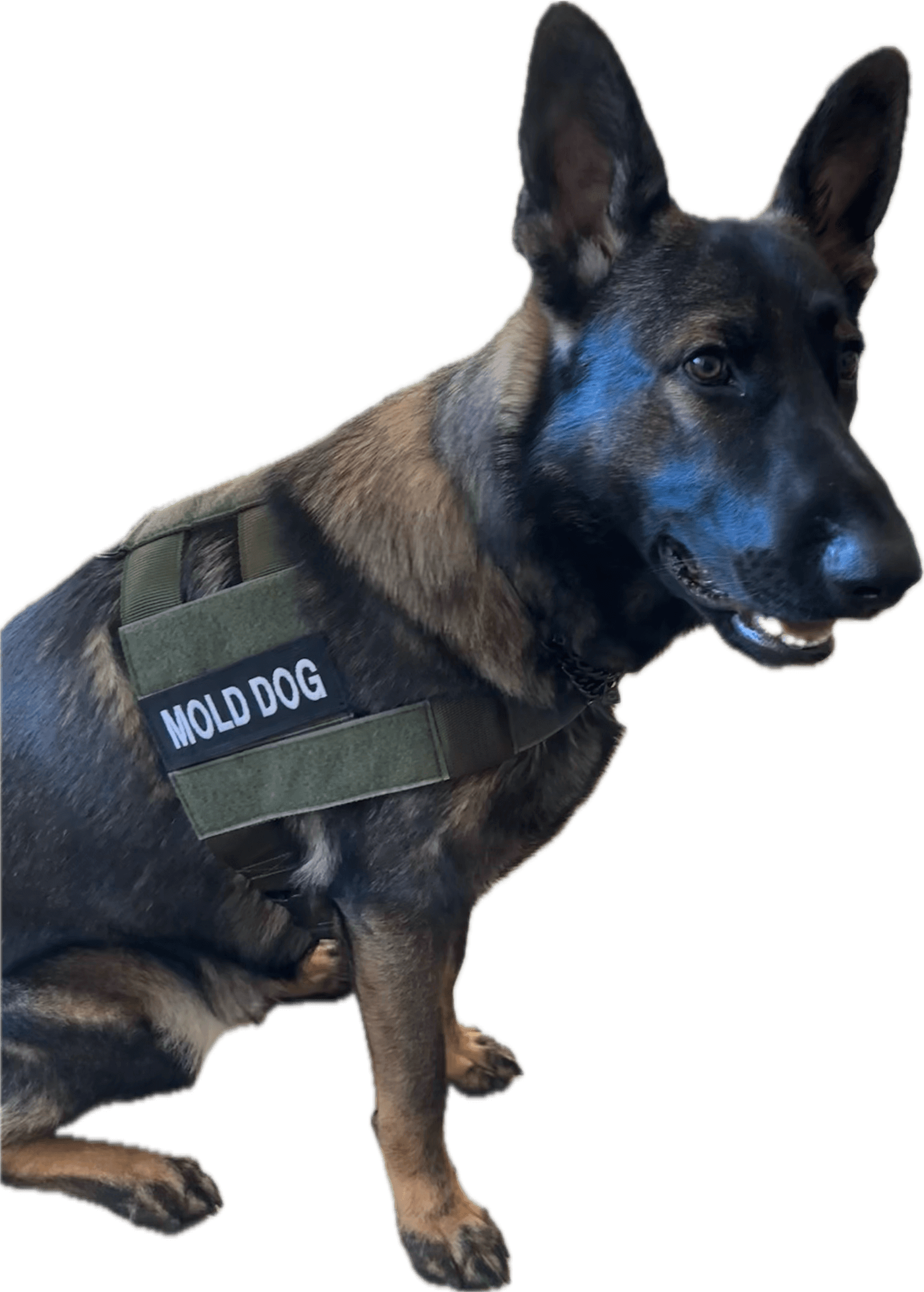
We use established inspection procedures to evaluate the building and interpret Rex’s alerts in context.
Property History
The inspection begins with your concerns and the history of the building, including leaks, flooding, repairs, odors, previous testing, and the areas where concerns appear most noticeable.
Building and Moisture Assessment
We evaluate accessible conditions and look for moisture intrusion, water damage, material deterioration, ventilation concerns, and other conditions that may support mold growth. Moisture readings and thermal imaging are used where appropriate.
Systematic Canine Search
Rex searches accessible areas for mold-related odor, including locations where visible evidence may be absent. His alerts help identify areas that warrant additional attention. Rex is trained to detect odor associated with 18 mold species commonly found in buildings, including species that may produce mycotoxins.
Findings and Next Steps
We review the findings with you, document relevant observations and canine alerts, and explain the available next steps.
Depending on the findings, those steps may include targeted sampling, further investigation of a concealed area, correction of a moisture source, or consultation with a qualified remediation professional.
What a Canine Alert Means
A canine alert identifies a location associated with mold-related odor. It is an investigative finding—not a laboratory result.
An alert does not identify the mold species, measure the amount of growth, establish the extent of contamination, or determine medical risk. It helps us focus the investigation and recommend an appropriate next step.
When confirmation is needed, sampling can be directed toward a specific area of concern rather than performed randomly throughout the building.
Likewise, no canine alert does not guarantee that mold is absent. Inaccessible areas, unexamined materials, and the limitations of any inspection method must be considered when interpreting findings.
Rex’s search is systematic within accessible, safe, and agreed-upon areas. We do not open walls or remove flooring during the search.
Local Moisture Considerations in Great Falls
Great Falls experiences cold winters with notable snowfall. Historical climate normals for the area report substantial annual snowfall. These conditions make winter condensation, roof and wall interfaces, and lower-level moisture relevant on many properties, but snowfall alone does not cause mold.
Condensation on cold surfaces (windows, within walls, or in attics) can occur when indoor humidity is elevated and ventilation is limited. Plumbing leaks, past roof issues, and moisture in utility or basement spaces are common investigation points. Wind and freeze-thaw cycles can stress exterior details over time.
Practical signs that may warrant an inspection include:
- Persistent window condensation
- Musty odors in living areas, basements, or mechanical spaces
- History of leaks or water entry
- Staining near roof or wall interfaces
- Concerns about ventilation or indoor humidity
The inspection prioritizes the specific building’s history and the accessible areas that can be safely evaluated.
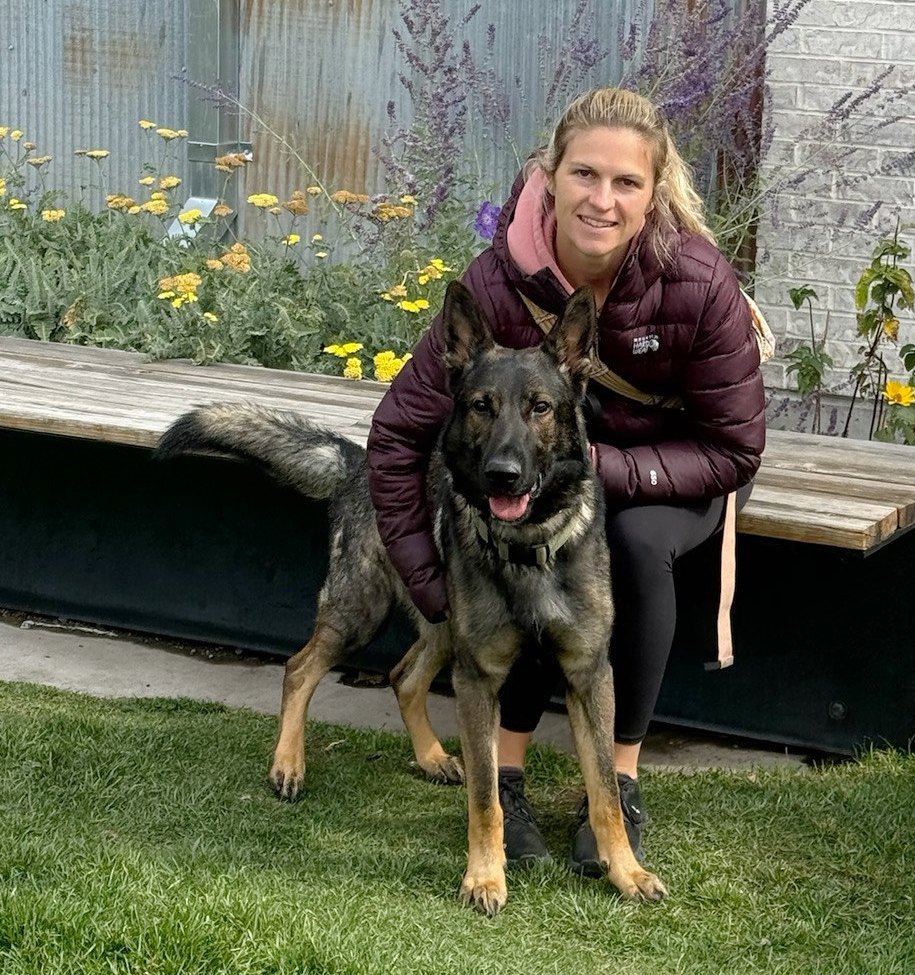
Meet Jess and Rex
Jess Reverie is a certified mold inspector and certified K9 handler. She combines building investigation, moisture assessment, thermal imaging, and canine detection to evaluate possible mold and moisture concerns.
Rex is a working-line German Shepherd trained and certified in mold detection through Bill Whitstine at Florida Canine Academy.
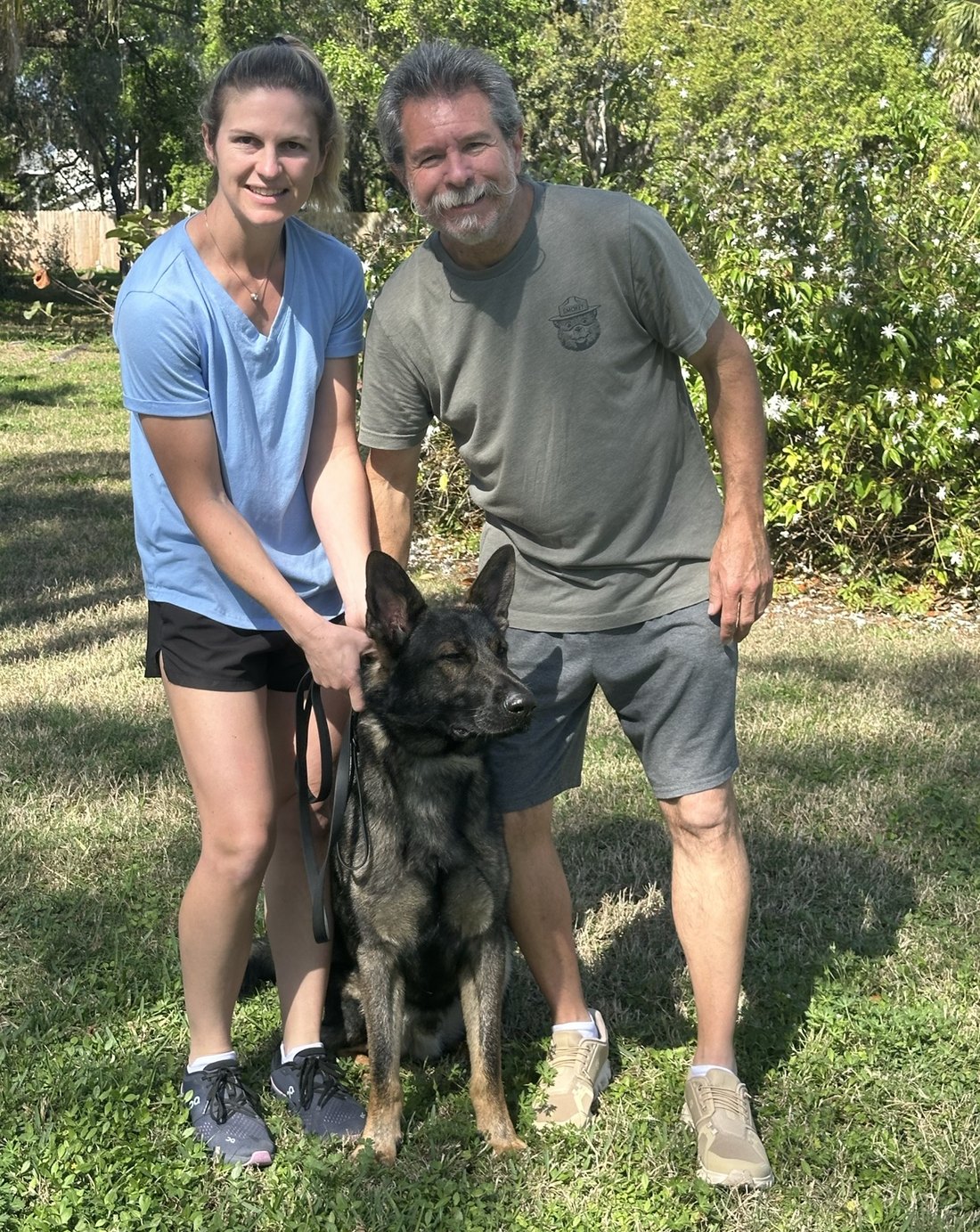
Together, Jess and Rex conduct a disciplined, methodical investigation designed for one purpose: helping people find mold that might otherwise remain hidden.
Learn more about Jess and Rex on our About page.
Follow along: @rexthemolddog and @mt_mold_dogs
What to Expect
-
Tell Us What Is Happening
We will discuss the building, your concerns, its moisture history, previous testing, and the areas you are most concerned about. You will receive a quote before scheduling.
-
We Evaluate the Building
We assess accessible building conditions and use professional inspection tools to identify moisture-related evidence and areas requiring closer attention.
-
Rex Conducts the Search
Rex systematically searches accessible areas and alerts to locations associated with mold odor.
-
You Receive Clear Findings
We explain what was observed, where Rex alerted, the limitations of the inspection, and the most appropriate next steps.
Next Steps
If you suspect mold but cannot find the source, professional inspection combined with certified canine detection can provide a more focused path forward.
Call Us About Your Concerns: (406) 479-9664
Serving homes, apartments, rental properties, commercial buildings, and properties being considered for purchase throughout Great Falls and Cascade County.